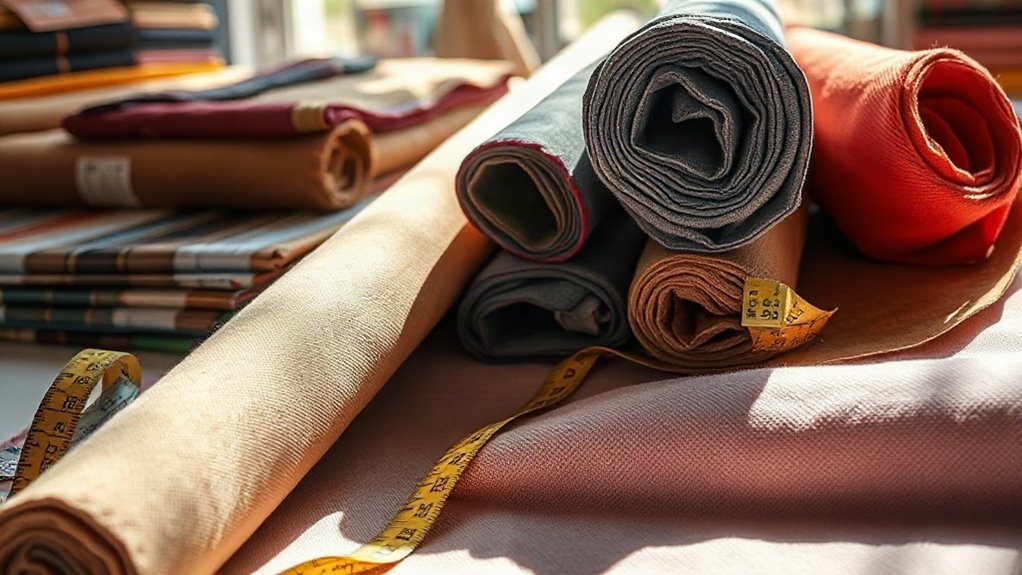
Buyers often meet many claims when they first compare RFID blocking fabric, so a simple method helps. Technical data is useful, but it makes more sense when read beside the final design. A few clear checks can keep the process simple and useful. A short list of needs can save time when several materials look similar online.
The goal is to help you ask better questions and build a more reliable first prototype. A smart first step is to define the job before comparing materials. Small gaps can matter, so the whole product design should be tested rather than the fabric alone. Clear notes help prevent small changes in width, finish, or construction from being missed.
Design teams may use rfid blocking fabric as one reference point when matching fabric form to the planned product. Use the link as a starting point, then match the exact material to the project specification. That keeps the backlink natural while the rest of the article stays focused on useful guidance.
Brief Overview
- Define the end use before choosing a form of RFID blocking fabric.Compare metalized polyester with other suitable constructions instead of relying on one product name.Look at surface resistance when that measure supports the planned use.For RFID shielding cloth, plan seams, openings, overlap, and wear points before the first full-size sample.Retain sample notes and care rules so the same choice can be reviewed during a repeat order.
Common Applications and Why They Differ
For RFID shielding cloth, shape, closure, overlap, and edge treatment can matter as much as fabric choice. Small samples are useful, but a full-size mock-up can show problems with fit or coverage. Real use should guide the final design, not the other way around during sample review. RFID Blocking Fabric can appear in bags, storage cases, and passport sleeves. Each use asks the material to do a slightly different job.
A wearable item needs comfort and flex, while a pouch may need stable coverage. A curtain or large panel also needs enough width to keep seam count low. For RFID shielding cloth, designers should think about where the functional layer sits inside the product. A hidden lining can protect the fabric surface and keep the outer style flexible. An exposed layer may be easier to inspect but can face more rubbing and dirt.
Matching Fabric Form to the Project
Designers should think about where the functional layer sits inside the product. A hidden lining can protect the fabric surface and keep the outer style flexible. For RFID shielding cloth, an exposed layer may be easier to inspect but can face more rubbing and dirt. Shape, closure, overlap, and edge treatment can matter as much as fabric choice. Small samples are useful, but a full-size mock-up can show problems with fit or coverage.
Real use should guide the final design, not the other way around. RFID Blocking Fabric can appear in storage cases, passport sleeves, and device pouches. Each use asks the material to do a slightly different job. A wearable item needs comfort and flex, while a pouch may need stable coverage. For RFID shielding cloth, a curtain or large panel also needs enough width to keep seam count low.
Design Details That Shape Performance
Look for finished enclosure performance rather than relying on one broad claim. For RFID shielding cloth, shielding results can change with frequency, so the test range matters. A high result at one band does not describe every signal or every use for the planned build. Lab data normally describes a test sample under set conditions. For RFID shielding cloth, the finished item may add seams, openings, folds, fasteners, or areas with less overlap.
For RFID shielding cloth, those details can create paths where signals or heat move around the barrier. Compare test methods, sample thickness, and frequency points when two products look similar. Teams can use Anti EMF Fabric Manufacturer as one reference while they compare samples and finished-product needs. If a project is important, test a finished prototype in the same form that customers will use. For RFID shielding cloth, clear records make later reorders easier because the team knows what was actually checked. Useful performance data should reflect the way RFID blocking fabric will be used.
Planning a Practical Prototype
For RFID shielding cloth, fix the design before scaling it to a larger run. Retain the final spec so the next order can follow the same path. A clear plan makes a RFID blocking fabric project easier to Anti EMF Fabric Manufacturer control in a real product. For RFID shielding cloth, write down the goal, size, use setting, and expected life of the finished item. List the few features that truly matter and separate them from nice-to-have details.
Choose a material sample that matches those needs rather than the lowest price alone. Build a small version or one complete sample before placing a large order. For RFID shielding cloth, record the pattern, seam method, overlap, and care steps used in that sample. Confirm the finished piece in the same way it will be used. Confirm users or production staff about comfort, handling, and weak points.
Frequently Asked Questions
What information should a supplier provide for RFID blocking fabric?
Useful details include composition, construction, width, weight, care rules, and relevant test information. Ask whether the item is stock or custom. Confirm the sample code and the bulk specification. For repeat work, also ask how changes in yarn, coating, or base cloth are controlled between batches.
What should I check first when buying RFID blocking fabric?
For RFID shielding cloth, begin with the end use, coverage area, and main functional goal. For RFID shielding cloth, inspect material form, width, weight, and care needs next. For RFID shielding cloth, look at surface resistance if it supports the job. For RFID shielding cloth, a sample can show feel, stretch, surface finish, and edge behavior during sample review. For RFID shielding cloth, if the fabric will be sewn, make one finished piece before a large order.
How should RFID blocking fabric be cleaned?
For RFID shielding cloth, cleaning depends on the exact construction. For RFID shielding cloth, many coated or conductive textiles need mild washing and should avoid harsh bleach. For RFID shielding cloth, high heat may harm some finishes or stretch fibers. For RFID shielding cloth, follow the care guide for the exact item. For RFID shielding cloth, if the material is inside a finished product, add clear care notes to the label or instruction sheet.
Should I request a sample before ordering RFID blocking fabric?
For RFID shielding cloth, yes, a sample is one of the easiest ways to reduce risk. For RFID shielding cloth, it lets you check color, feel, stretch, surface quality, and edge behavior. For RFID shielding cloth, you can also test sewing, bonding, or layering methods. For RFID shielding cloth, if performance matters, use a sample from the same construction planned for bulk production. For RFID shielding cloth, record the approved piece for later comparison.
How do I compare two types of RFID blocking fabric fairly?
For RFID shielding cloth, compare them against the same job. For RFID shielding cloth, look at construction, width, weight, feel, care, and relevant test conditions. For RFID shielding cloth, avoid comparing one large headline number with a detailed frequency chart from another product. For RFID shielding cloth, use samples of both when possible. For RFID shielding cloth, the better option is the one that fits the design with fewer compromises and clear support data.
Summarizing
The simplest way to work with RFID Blocking Fabric is to connect each choice to the final use. Look at coverage, construction, feel, size, and care before focusing on price. Use relevant test data as a guide, not as the whole decision. A full-size prototype can show seam, fit, and handling issues that a small swatch may hide.
Once the prototype is approved, keep clear notes on materials and assembly. Those notes give purchasing and production teams the same reference point. They also reduce guesswork when a new batch arrives. With a clear spec, a checked sample, and a practical final test, RFID blocking fabric can be sourced and used with far more confidence.